My Body, My Rules: How Adult Performers Are Taking the Wheel on Safety and Consent
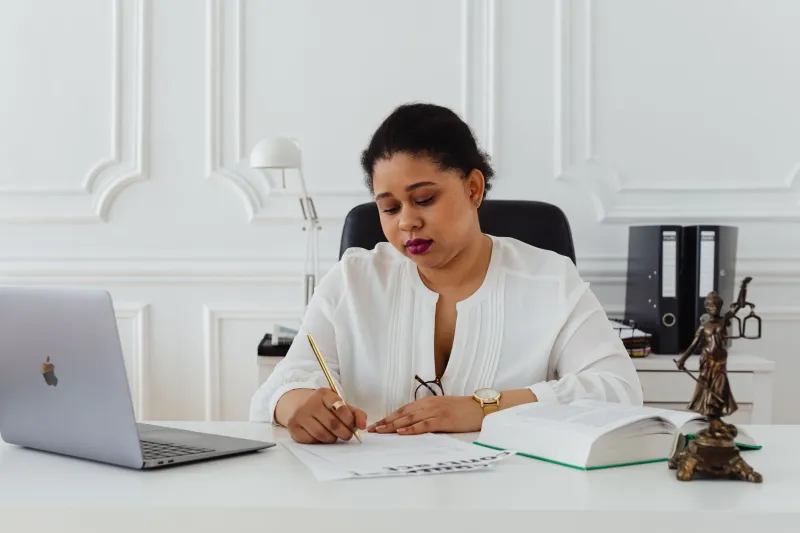
For decades, the adult entertainment industry operated on a kind of unspoken code — show up, perform, don't make waves. Boundaries were often treated as inconveniences rather than rights, and the power dynamic between performers and producers was rarely in the performer's favor. But that script? It's being rewritten. And the people holding the pen are the performers themselves.
What's happening right now in the adult industry around consent, safety, and professional standards is nothing short of a cultural shift. It's loud, it's necessary, and honestly, it's long overdue.
From Handshakes to Hard Contracts
Not too long ago, a lot of agreements in adult entertainment were informal at best. A phone call, a vague email, maybe a one-page document that left more gaps than it filled. Today, performers — particularly those who've built their own platforms and audiences — are demanding contracts that actually mean something.
"I didn't realize how much I was leaving on the table — and how exposed I was — until I hired an entertainment attorney who actually understood this industry," says one veteran performer who asked to be identified only by her performer name, Cassidy. "Now every shoot I do, whether it's for a major network or an independent production, has a detailed rider attached. What I will and won't do is spelled out explicitly. Payment terms are clear. And there's a clause about how my content can and can't be used after the fact."
That last point — content usage rights — has become one of the biggest sticking points in modern adult entertainment contracts. With the explosion of streaming platforms, licensing deals, and AI-generated content, performers are increasingly savvy about where their image ends up and who profits from it. A scene shot for one platform can theoretically be licensed, repackaged, or even used to train AI models if performers don't protect themselves upfront.
The shift toward legally sound, performer-protective contracts isn't just happening among big names. Independent creators who sell directly through platforms like their own subscription sites are also building out their own terms — with clients, collaborators, and co-stars — because they've learned the hard way that a verbal "yes" doesn't hold up when things go sideways.
Peer Networks: The Safety Net the Industry Never Provided
If official industry structures have historically been slow to protect performers, performers have responded by building their own structures. Peer-led safety networks — informal but powerful — have become a cornerstone of how adult entertainers protect each other.
These networks function a lot like community watchdog groups. Performers share information about producers, directors, and studios with problematic track records. They flag individuals who've ignored consent on set, pushed past agreed-upon limits, or failed to follow STI testing protocols. They celebrate the good actors in the industry, too — production companies that run professional sets, directors who check in with performers throughout a shoot, and platforms that treat creators like partners rather than product.
"We have group chats, private forums, all of it," says Marcus, a gay adult performer based in Los Angeles who's been in the industry for about six years. "Before I work with anyone new, I ask around. And I make sure people know they can ask about me, too. Transparency goes both ways. If someone has concerns, I want them to feel like they can voice that before we ever get on set together."
This kind of peer accountability fills a gap that formal industry organizations have struggled to address consistently. It's grassroots, it's fast, and it's trusted in ways that top-down oversight sometimes isn't.
Setting the Scene: On-Set Consent Practices That Are Actually Working
The conversation about consent doesn't start when the cameras roll — it starts well before that. Progressive productions are now incorporating pre-shoot consent discussions as standard practice, not as an optional add-on.
This means sitting down with all performers before filming begins to walk through what's planned, confirm what everyone has agreed to, and create explicit space for anyone to raise concerns or change their mind about specific acts. Some sets use written "yes/no/maybe" lists — borrowed from the kink and BDSM community, where explicit negotiation has long been the norm — to make sure nothing is assumed.
Safe words and safe signals (for scenes where speaking might not be practical) are being incorporated more frequently. And crucially, the culture around using them is changing. There's a growing understanding that stopping a scene because a performer's limit has been reached isn't a failure — it's the system working exactly as it should.
"I've walked off sets," says Cassidy, matter-of-factly. "Not often, but it's happened. And the fact that I felt like I could do that — that I had the professional standing and the financial independence to say 'this isn't what we agreed to' and leave — that's everything. Not everyone has that, and that's the problem we need to keep solving."
Mental Health Is Part of the Package
Physical safety gets a lot of the attention in these conversations, but performers are increasingly vocal about something that's harder to see: the psychological weight of the work. Performing sexually for an audience — especially in a culture that simultaneously consumes and stigmatizes adult content — comes with its own particular kind of emotional labor.
Burnout is real. Boundary fatigue is real. The pressure to constantly produce, stay relevant, and manage the public-facing aspects of an adult career while maintaining some semblance of a private life takes a toll that doesn't always show up on a body check.
Some performers are now building mental health support into their professional lives the same way they build in STI testing or legal consultations — as a non-negotiable part of doing this work sustainably. Therapists who specialize in sex work and adult entertainment are increasingly sought out, and peer support groups specifically for adult performers have emerged as a valuable resource.
"I see a therapist every two weeks," Marcus says. "It took me a while to get there because I thought I could just handle everything on my own. But this industry will take everything you give it and ask for more. You have to actively protect your mental space."
The Road Ahead
None of this is finished work. The adult entertainment industry is still navigating a complicated landscape — legal pressures, platform restrictions, evolving technology, and cultural stigma all shape what's possible. But the performers leading this charge aren't waiting for perfect conditions. They're building better standards in real time, with the tools and communities they have.
What's emerged is something genuinely powerful: a professional class of adult entertainers who understand their rights, advocate for themselves and each other, and refuse to accept "that's just how this industry works" as an answer. The consent conversation isn't a trend. It's a reckoning — and it's producing an industry that's slowly, meaningfully becoming safer for the people who make it run.