On-Set and In Charge: The Rise of Intimacy Coordinators in Adult Film
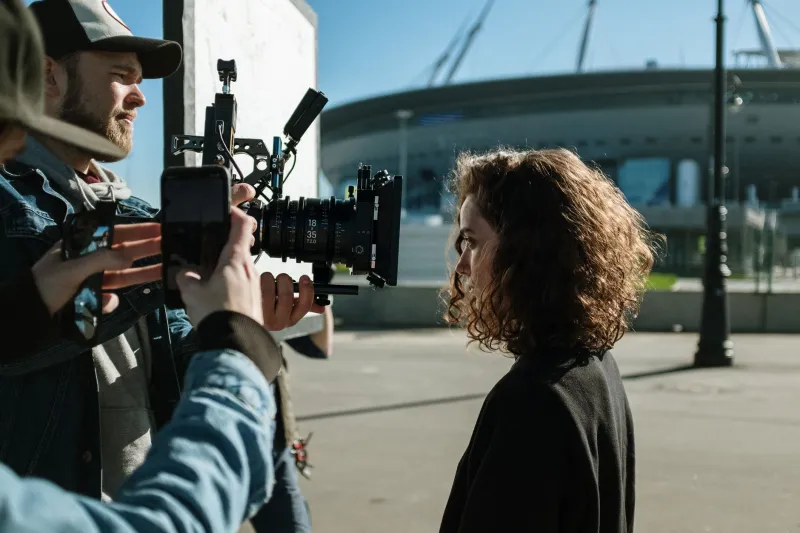
For decades, the conversation about what happens between takes on an adult film set was mostly left to informal agreements, handshakes, and the personal rapport between performers and directors. Consent existed — but it was rarely documented, rarely structured, and almost never overseen by a neutral third party trained specifically to protect it. That's changing, and the change is arriving faster than most people expected.
Intimacy coordinators — professionals trained to facilitate communication around physical and sexual performance — have been reshaping mainstream Hollywood productions since the late 2010s. Shows like Normal People and Euphoria put the role in the spotlight, and the Screen Actors Guild formalized guidelines around their use. But while mainstream media was busy patting itself on the back, a quieter version of the same revolution was beginning to take root in adult entertainment.
What an Intimacy Coordinator Actually Does
Let's clear something up right away: an intimacy coordinator isn't a hall monitor or a buzzkill. Their job isn't to sanitize a production or second-guess creative decisions. At its core, the role is about communication — making sure everyone on set, from talent to crew, is operating with the same clear understanding of what's been agreed to, what's off the table, and how to raise a concern without blowing up the whole shoot.
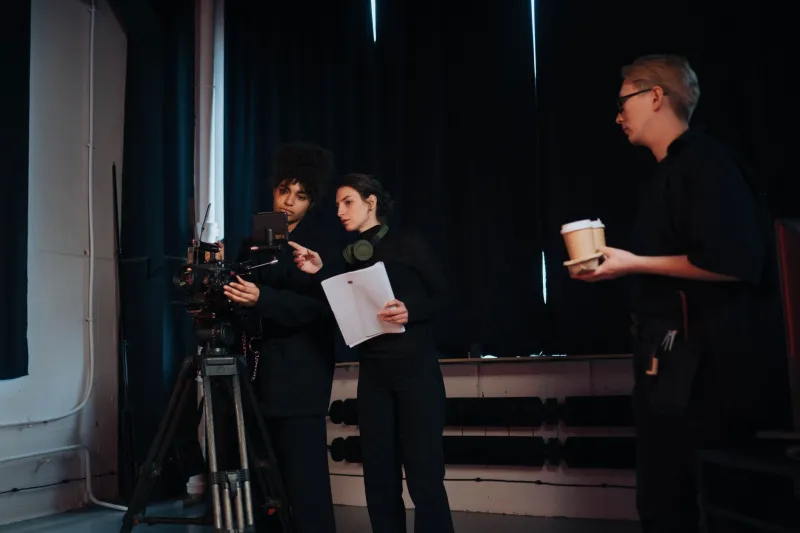
In practice, that means pre-production conversations with performers about boundaries and comfort levels, written documentation of those agreements, and a physical presence on set during filming to serve as an advocate and mediator. If something shifts mid-scene — if a performer's body language suggests discomfort, or if a director pushes for something that wasn't discussed — the intimacy coordinator is the person who calls a pause and gets everyone back on the same page.
In mainstream film, this role is increasingly standard. In adult entertainment, it's still emerging. But the producers and performers who've worked with intimacy coordinators tend to say the same thing: once you've done it this way, it's hard to go back.
Why Adult Entertainment Is Catching Up
The adult industry has always had its own internal culture around consent and safety — one that's more nuanced than the mainstream narrative often allows. Organizations like the Free Speech Coalition have pushed for safer sex protocols and performer health standards for years. Many established studios have long maintained clear contracts and communication processes. But the industry is also enormous and decentralized, which means practices vary wildly depending on whether you're working with a major production house, an independent creator, or somewhere in between.
The #MeToo movement accelerated the conversation. So did the growing visibility of performer advocacy groups and the increasing number of adult creators building their own platforms — people who have both the incentive and the authority to set their own professional standards. When you're running your own show, quite literally, you get to decide how it's run.
At the same time, the line between adult entertainment and mainstream media has blurred considerably. Performers cross over. Journalists cover the industry with more seriousness. Audiences are more aware of labor conditions. That broader cultural context has made it easier — and more expected — for adult productions to adopt the kinds of professional frameworks that were once considered exclusive to mainstream film.
What Performers Are Saying
Talk to adult performers about intimacy coordinators and you'll hear a range of reactions — but a common thread runs through most of them: the feeling of being seen as a professional rather than just a body on set.
For newer performers especially, having a designated advocate in the room changes the power dynamic in meaningful ways. Walking onto a set for the first time is intimidating under any circumstances. Knowing there's someone whose entire job is to make sure your stated limits are respected — and who has no financial stake in whether the scene gets completed — can make the difference between a performer feeling empowered and one feeling pressured.
Veteran performers often describe a different kind of value: the way formal consent documentation protects everyone. When boundaries are clearly established and recorded before filming begins, misunderstandings become far less likely. And in the rare case where something does go wrong, there's a paper trail that protects both the performer and the production.
The Business Case for Better Standards
Here's the part that sometimes gets overlooked in these conversations: this isn't just the right thing to do — it's also smart business.
Productions that prioritize performer safety attract better talent. They build reputations that generate loyalty from both performers and audiences. They reduce the legal and reputational risk that comes with on-set incidents. And as adult content becomes more mainstream — distributed through platforms that have their own terms of service and community standards — productions that can demonstrate professional protocols are better positioned to operate in that landscape.
For independent creators and smaller studios, adopting these frameworks doesn't require hiring a full-time coordinator. It can start with something as simple as a pre-shoot conversation that covers boundaries, a written agreement, and a clear process for calling a stop if anyone gets uncomfortable. The intimacy coordinator model scales down as well as it scales up.
The Road Ahead
None of this means the adult entertainment industry has solved its labor and safety challenges — it hasn't, and pretending otherwise would be dishonest. There are still productions operating without adequate protections. There are still performers who feel they can't speak up without risking their careers. The structural issues are real and they're ongoing.
But the direction of travel is clear. The industry is moving — sometimes slowly, sometimes in fits and starts — toward a model where professional standards aren't the exception but the expectation. Intimacy coordinators are a meaningful part of that shift, not because they're a magic fix, but because they represent something important: the idea that the people making adult content deserve the same baseline of professional care as the people making any other kind of content.
That's not a radical idea. It's actually a pretty simple one. And the fact that it's gaining ground in adult entertainment says something genuinely encouraging about where the industry is headed.